 Image 1 of 2
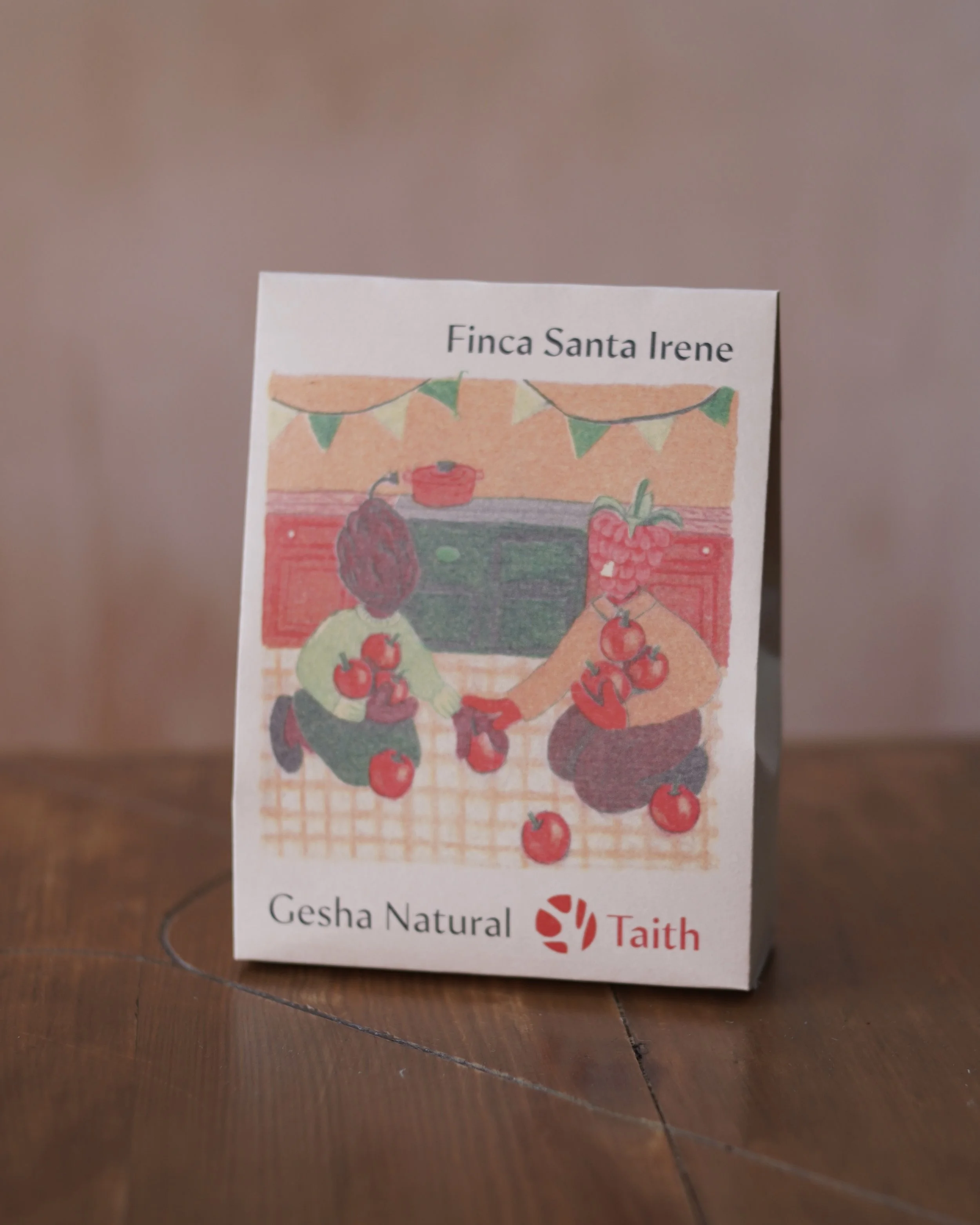 Image 2 of 2
Farm - Santa Irene
Origin - Guatemala
Process - Natural
Varietal - Geisha
Altitude - 1470 - 2100 MASL
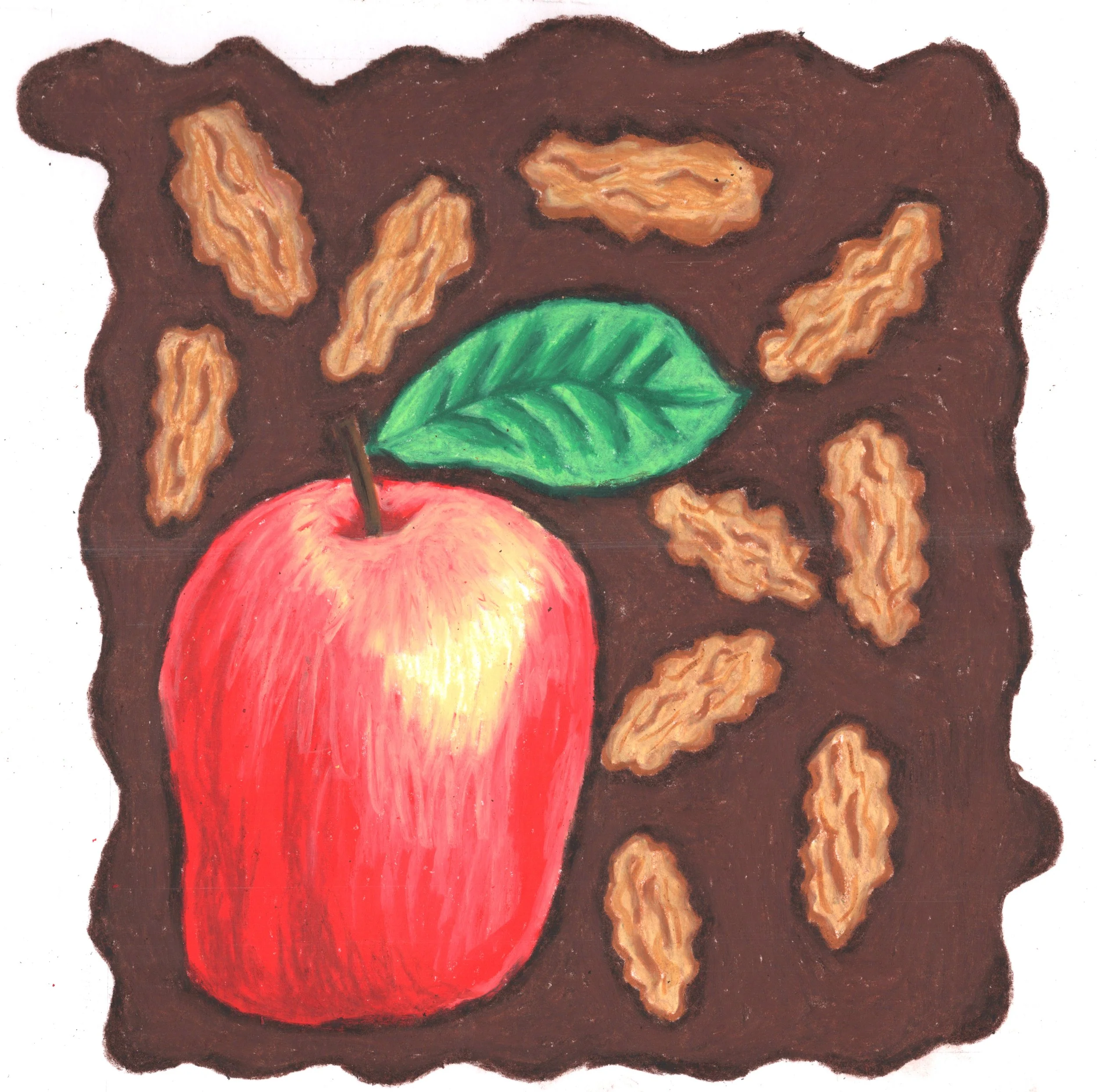
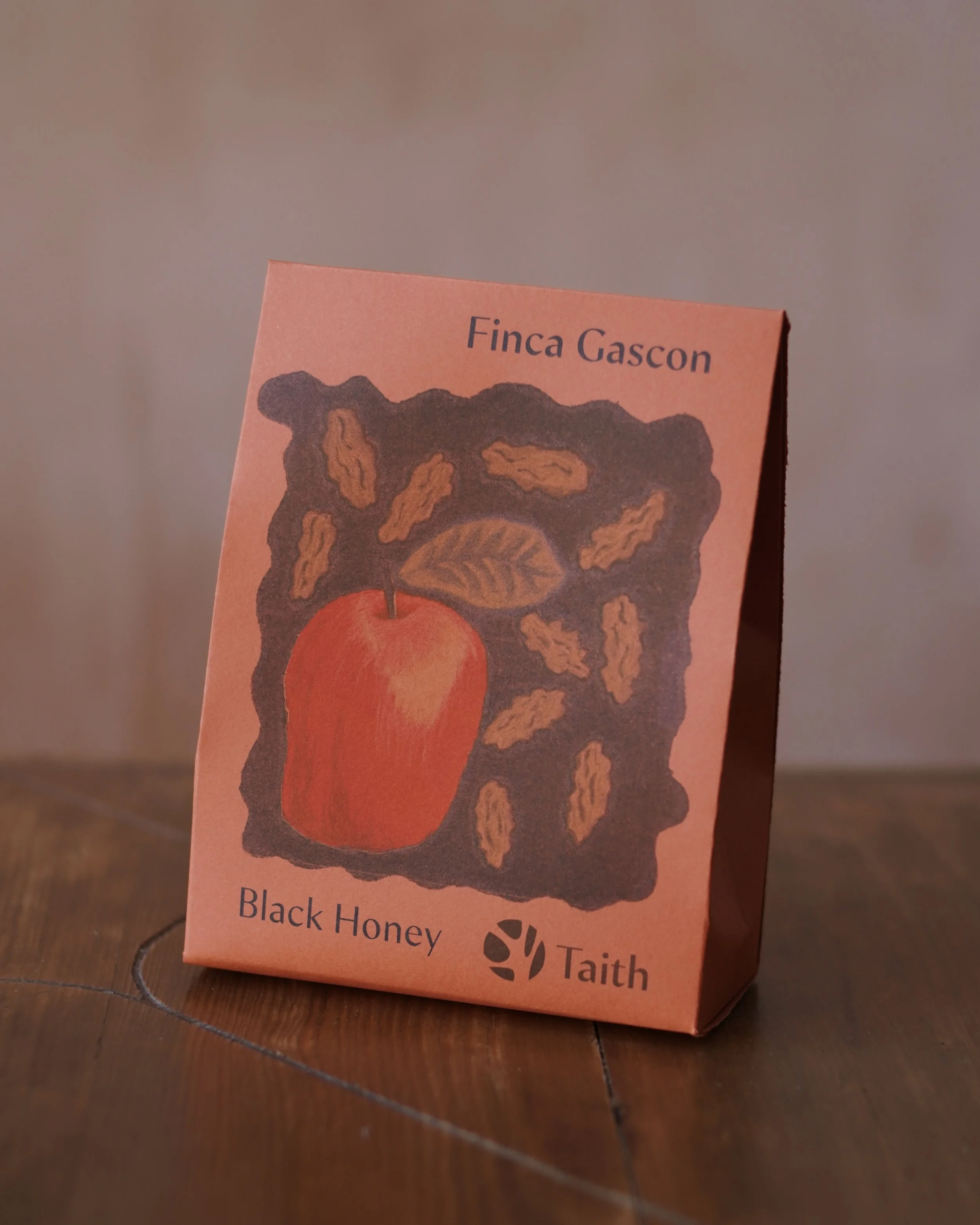
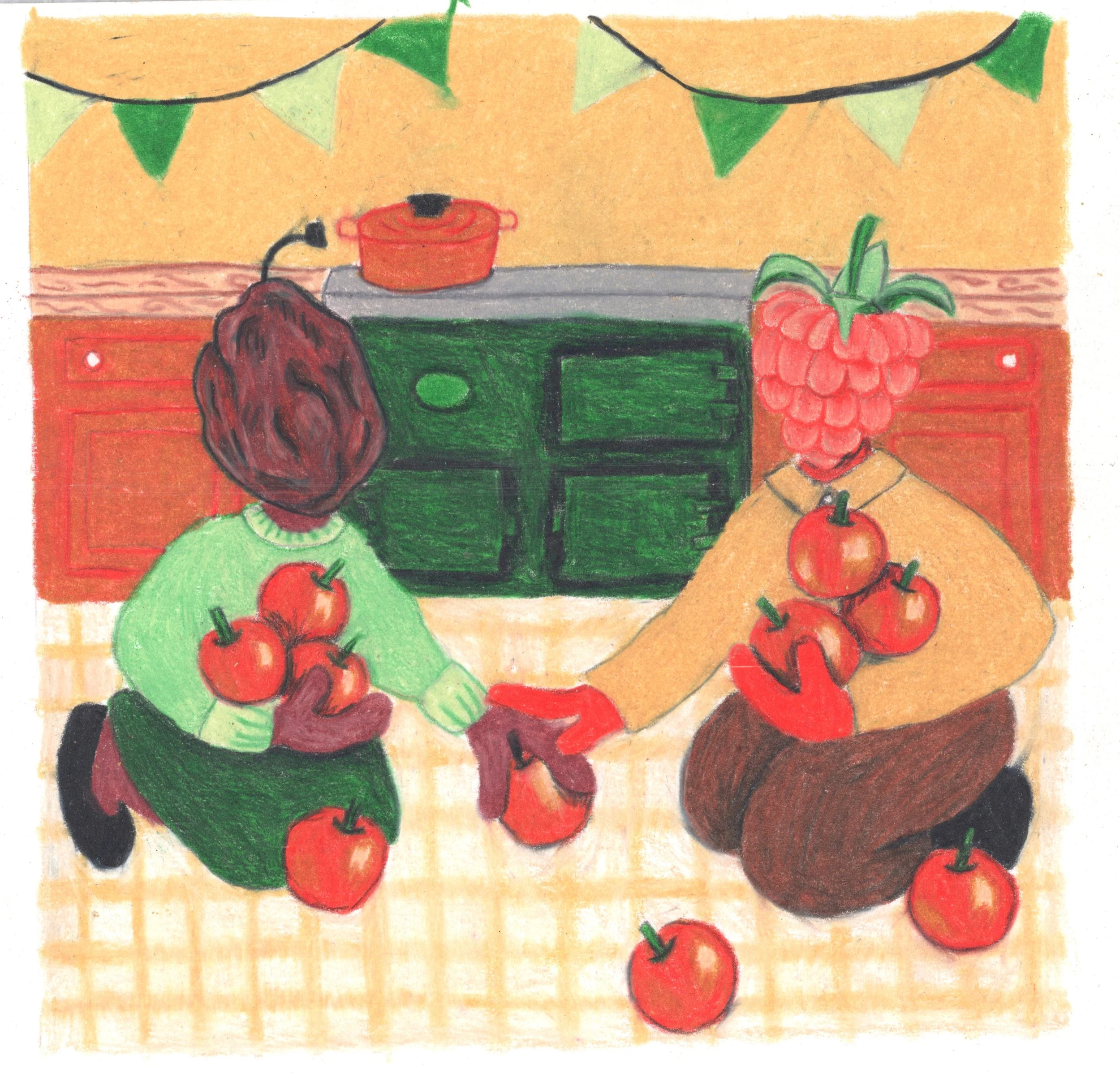
Flavour Notes - raspberry, prune, apple
Best for: Filter + Espresso
roast level: Very Light
FARM
The Cobán region of Guatemala is known for its unique climate, which differs from other coffee-growing regions in the country. Instead of distinct dry and rainy seasons, Cobán experiences frequent mist and rainfall, known locally as chipi-chipi, for up to ten months each year. This cool, humid climate, influenced by the Atlantic Ocean, creates ideal conditions for producing high-quality shade-grown coffee, while also requiring careful management to reduce the risk of coffee leaf rust.
One notable producer is Saint Irene, a 129-hectare protected natural forest reserve owned by Dr. Jacinto Estrada Zanabria. In 2012, his son, Carlos Estrada, began cultivating 15 hectares of the property with coffee varieties including Catuaí, Geisha, Bourbon, and Cidra, with Catuaí being the primary variety. Carlos is dedicated to specialty coffee production and continuously experiments with innovative processing methods, including anaerobic fermentation. His investment in greenhouse drying systems reflects his commitment to improving coffee quality and advancing sustainable production practices.
PROCESS
Before harvesting, the coffee cherries are assessed using Brix measurements to determine their sugar content and identify which lots are ready for picking. Cherries are typically harvested when they reach a Brix level of 18–22°. At the end of each day, the harvested coffee is sorted, weighed, and transported to the wet mill for processing. Geisha coffee undergoes flotation before being slowly dried on raised beds inside a greenhouse. Due to Cobán's consistently wet climate, greenhouse conditions are carefully managed to control temperature and humidity, ensuring even drying. Once the parchment coffee reaches its optimal moisture content, it is prepared for safe storage.
Farm - Santa Irene
Origin - Guatemala
Process - Natural
Varietal - Geisha
Altitude - 1470 - 2100 MASL
Flavour Notes - raspberry, prune, apple
Best for: Filter + Espresso
roast level: Very Light
FARM
The Cobán region of Guatemala is known for its unique climate, which differs from other coffee-growing regions in the country. Instead of distinct dry and rainy seasons, Cobán experiences frequent mist and rainfall, known locally as chipi-chipi, for up to ten months each year. This cool, humid climate, influenced by the Atlantic Ocean, creates ideal conditions for producing high-quality shade-grown coffee, while also requiring careful management to reduce the risk of coffee leaf rust.
One notable producer is Saint Irene, a 129-hectare protected natural forest reserve owned by Dr. Jacinto Estrada Zanabria. In 2012, his son, Carlos Estrada, began cultivating 15 hectares of the property with coffee varieties including Catuaí, Geisha, Bourbon, and Cidra, with Catuaí being the primary variety. Carlos is dedicated to specialty coffee production and continuously experiments with innovative processing methods, including anaerobic fermentation. His investment in greenhouse drying systems reflects his commitment to improving coffee quality and advancing sustainable production practices.
PROCESS
Before harvesting, the coffee cherries are assessed using Brix measurements to determine their sugar content and identify which lots are ready for picking. Cherries are typically harvested when they reach a Brix level of 18–22°. At the end of each day, the harvested coffee is sorted, weighed, and transported to the wet mill for processing. Geisha coffee undergoes flotation before being slowly dried on raised beds inside a greenhouse. Due to Cobán's consistently wet climate, greenhouse conditions are carefully managed to control temperature and humidity, ensuring even drying. Once the parchment coffee reaches its optimal moisture content, it is prepared for safe storage.