 Image 1 of 1
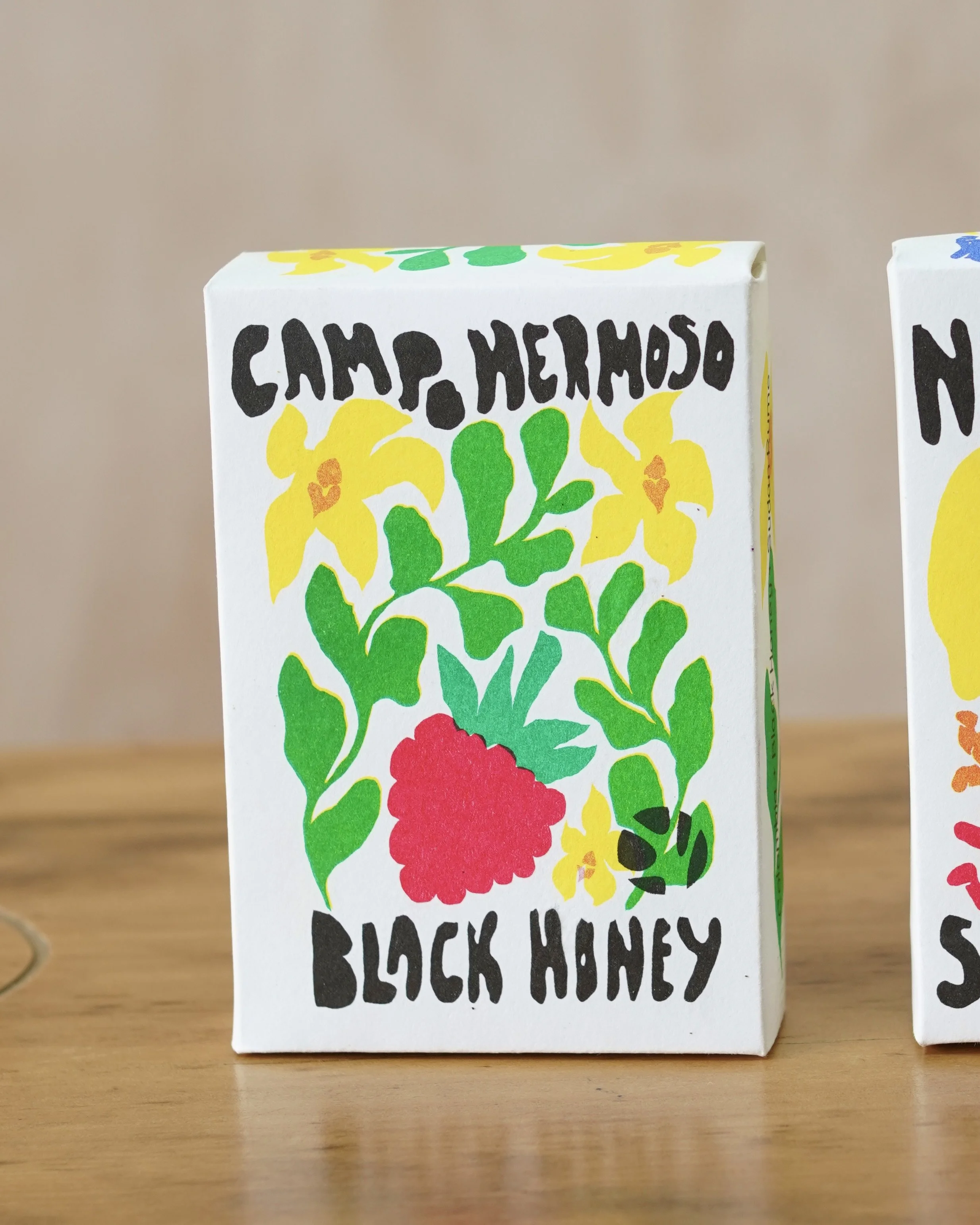
Producer - Edwin Norena
Origin - Colombia
Process - Black Honey Hoppy Fermentation
Varietal - Sudan Rume
Altitude - 1900
Flavour Notes - fresh botanicals, raspberries, vanilla
Best for: Filter + Modern Espresso
roast level: Extremely Light
FARM
Edwin Noreña, a fourth-generation coffee producer, has transformed his family farm into a global benchmark for innovation through his work in experimental fermentation and sensory science. Today, he is recognized as one of Colombia’s leading figures in fermentation research and competition-level coffees. He began working in coffee at the age of 14, shaping his career around addressing the sustainability challenges of traditional production methods. Located in Circasia, Quindío, at elevations between 1,750 and 1,900 meters above sea level, his farm, Campo Hermoso, spans 25 hectares dedicated to experimental processing. Edwin has served as a head judge for the Cup of Excellence Colombia and has mentored renowned projects such as Carmo Coffees in Brazil and Geisha Village in Ethiopia, in addition to supporting thousands of coffee producers across Colombia.
PROCESS:
Ripe coffee cherries are selectively handpicked to ensure high sugar content and optimal fermentation potential. The harvested cherries are then floated and carefully hand-sorted to remove defects, followed by a cleaning step to limit unwanted microbial activity. Next, whole cherries undergo controlled anaerobic fermentation in sealed tanks, where hops are introduced to influence the aromatic profile. This stage typically lasts between 48 and 96 hours, with monitoring of temperature and pH to guide microbial development and enhance fruity, floral, and beer-like notes. After fermentation, the cherries are depulped while retaining 100 percent of the mucilage, defining the black honey style. The beans may then rest briefly for stabilization, allowing further absorption of hop-derived compounds. Finally, the coffee is slowly dried on raised beds or in controlled systems at low temperatures over 15 to 25 days, with frequent turning until moisture reaches approximately 10 to 11 percent for optimal stability.
Producer - Edwin Norena
Origin - Colombia
Process - Black Honey Hoppy Fermentation
Varietal - Sudan Rume
Altitude - 1900
Flavour Notes - fresh botanicals, raspberries, vanilla
Best for: Filter + Modern Espresso
roast level: Extremely Light
FARM
Edwin Noreña, a fourth-generation coffee producer, has transformed his family farm into a global benchmark for innovation through his work in experimental fermentation and sensory science. Today, he is recognized as one of Colombia’s leading figures in fermentation research and competition-level coffees. He began working in coffee at the age of 14, shaping his career around addressing the sustainability challenges of traditional production methods. Located in Circasia, Quindío, at elevations between 1,750 and 1,900 meters above sea level, his farm, Campo Hermoso, spans 25 hectares dedicated to experimental processing. Edwin has served as a head judge for the Cup of Excellence Colombia and has mentored renowned projects such as Carmo Coffees in Brazil and Geisha Village in Ethiopia, in addition to supporting thousands of coffee producers across Colombia.
PROCESS:
Ripe coffee cherries are selectively handpicked to ensure high sugar content and optimal fermentation potential. The harvested cherries are then floated and carefully hand-sorted to remove defects, followed by a cleaning step to limit unwanted microbial activity. Next, whole cherries undergo controlled anaerobic fermentation in sealed tanks, where hops are introduced to influence the aromatic profile. This stage typically lasts between 48 and 96 hours, with monitoring of temperature and pH to guide microbial development and enhance fruity, floral, and beer-like notes. After fermentation, the cherries are depulped while retaining 100 percent of the mucilage, defining the black honey style. The beans may then rest briefly for stabilization, allowing further absorption of hop-derived compounds. Finally, the coffee is slowly dried on raised beds or in controlled systems at low temperatures over 15 to 25 days, with frequent turning until moisture reaches approximately 10 to 11 percent for optimal stability.