
 Image 1 of 1
Producer - Wilton Benitez
Origin - Colombia
Process - Washed Thermal Shock Advanced Process
Varietal - Caturra
Altitude - 1950 MASL
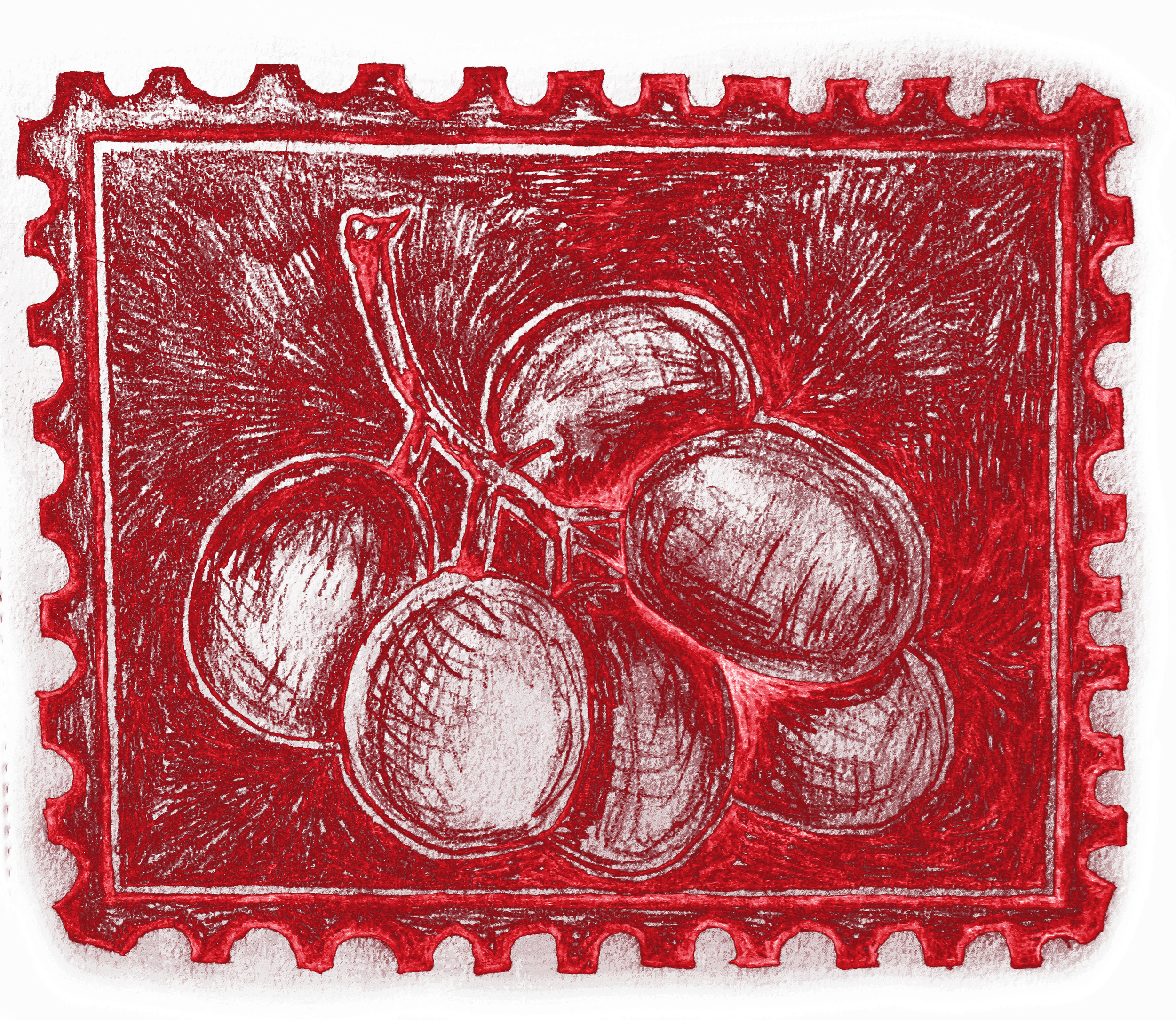
Flavour Notes - Red Grapes, Red Berries, Salted Caramel
Best for: Espresso + Filter
roast level: Light
Farm
Wilton Benitez is a highly specialised coffee producer with a lifetime of experience in cultivating exotic and sought-after coffees. Drawing inspiration from fermentation techniques used in the production of wine, beer, and cheese, he developed a deep understanding of microbial processes and began applying this knowledge to coffee. By carefully controlling variables such as sugar content, pH levels, and fermentation duration, Wilton pioneered a highly experimental approach that results in remarkably unique and refined flavour profiles. The exceptional taste of his coffee is defined by three key elements: a meticulously managed fermentation process, the use of specific microorganisms tailored to each stage, and a distinctive soaking method in which the beans are immersed first in hot water and then in cold water to seal the grain and preserve complex flavours.
PROCESS
The process begins with the manual harvesting of the cherries, followed by their characterisation and classification according to density and size. The selected cherries are then sterilised using UV light and ozone to ensure a clean fermentation environment. The first phase of fermentation takes place in bioreactors equipped with relief valves for 52 hours at 18°C, during which specific yeast (Saccharomyces pastorianus) is added to enhance fruity notes. After this stage, the cherries are pulped. During the initial fermentation, the mucilage is carefully recovered and later reintroduced in the second phase of fermentation, which occurs after pulping and lasts 48 hours at 21°C. This is followed by an additional fermentation period of 68 hours. Once fermentation is complete, the grains undergo a thermal shock washing process to fix the secondary aromas developed throughout the different fermentation stages, first with water at 40°C and then with water at 12°C. Finally, the grains are dried in controlled equipment for 48 hours at 38°C to achieve optimal stability and quality.
Producer - Wilton Benitez
Origin - Colombia
Process - Washed Thermal Shock Advanced Process
Varietal - Caturra
Altitude - 1950 MASL
Flavour Notes - Red Grapes, Red Berries, Salted Caramel
Best for: Espresso + Filter
roast level: Light
Farm
Wilton Benitez is a highly specialised coffee producer with a lifetime of experience in cultivating exotic and sought-after coffees. Drawing inspiration from fermentation techniques used in the production of wine, beer, and cheese, he developed a deep understanding of microbial processes and began applying this knowledge to coffee. By carefully controlling variables such as sugar content, pH levels, and fermentation duration, Wilton pioneered a highly experimental approach that results in remarkably unique and refined flavour profiles. The exceptional taste of his coffee is defined by three key elements: a meticulously managed fermentation process, the use of specific microorganisms tailored to each stage, and a distinctive soaking method in which the beans are immersed first in hot water and then in cold water to seal the grain and preserve complex flavours.
PROCESS
The process begins with the manual harvesting of the cherries, followed by their characterisation and classification according to density and size. The selected cherries are then sterilised using UV light and ozone to ensure a clean fermentation environment. The first phase of fermentation takes place in bioreactors equipped with relief valves for 52 hours at 18°C, during which specific yeast (Saccharomyces pastorianus) is added to enhance fruity notes. After this stage, the cherries are pulped. During the initial fermentation, the mucilage is carefully recovered and later reintroduced in the second phase of fermentation, which occurs after pulping and lasts 48 hours at 21°C. This is followed by an additional fermentation period of 68 hours. Once fermentation is complete, the grains undergo a thermal shock washing process to fix the secondary aromas developed throughout the different fermentation stages, first with water at 40°C and then with water at 12°C. Finally, the grains are dried in controlled equipment for 48 hours at 38°C to achieve optimal stability and quality.