

Best Of Yemen Auction
BAIT SEL - ALCHEMY - YEMENIA




Bait Sel
Nestled in the Hayma Dakhiliya region, the village of Bait Sel is home to around 35 households, including families like Bait Al-Oqabi and Bait Al-Asadi. While most residents are engaged in agriculture, following traditional planting and harvesting practices, the village stands out for its members who have had access to a formal education, a rarity in rural areas.
Coffee is the primary crop, with the community producing 6 to 7 tons of cherries each season, alongside corn and bananas. Livestock such as sheep and cattle, as well as beekeeping for honey, further reflect the villagers’ deep connection to the land. At the heart of the community is the Ghail Al-Hijrah spring, located at the top of the valley, which provides the vital water supply for both farming and daily life.

Variety
Yemen, the driest coffee-producing region in the world, receives just 244 to 379 millimeters of rainfall annually far below the global average of 1,368 millimetres. Despite these harsh conditions, it is home to Yemenia, a newly identified and genetically distinct mother population within the Coffea arabica species. Found exclusively in Yemen, Yemenia represents a significant reservoir of untapped genetic diversity, separate from the globally dominant Typica-Bourbon and SL varieties. Its discovery is considered one of the most important breakthroughs in Arabica coffee genetics in recent history. Research has shown that many traditional Yemeni coffee names, such as Udaini, Dawairi, and Tufahi, do not reliably indicate genetic identity, highlighting the complexity and uniqueness of Yemen’s coffee heritage. Yemenia thrives in extreme environments, demonstrating remarkable resilience to heat and drought traits that make it an invaluable resource for future climate-resilient coffee breeding programs.


The Alchemy Process
The Alchemy Series by Qima represents the culmination of years of processing expertise and over 1,300 individual processing experiments. This next-generation approach to coffee innovation focuses on enhancing the sensory attributes of coffee through pioneering fermentation techniques, while preserving the distinct characteristics imparted by terroir and genetic heritage.
The Alchemy Series employs a sophisticated combination of pressure (up to 10 bar / 145 psi), precise temperature control, regulated gas environments, and meticulously managed drying. These elements work in synergy to produce coffees with exceptional flavour clarity, depth, and structure. All protocols are grounded in the principles of chemical engineering, ensuring each process is both scientifically robust and sensorially unique.
Process Details for This Lot
Origin: Bait Sel, Hayma Dakhiliya
Step 1: 12-hour aerobic fermentation
Step 2: 48-hour carbonic maceration
Step 3: 5-day blackout drying (conducted in a ventilated environment with no light exposure)
Step 4: 25-day slow drying phase
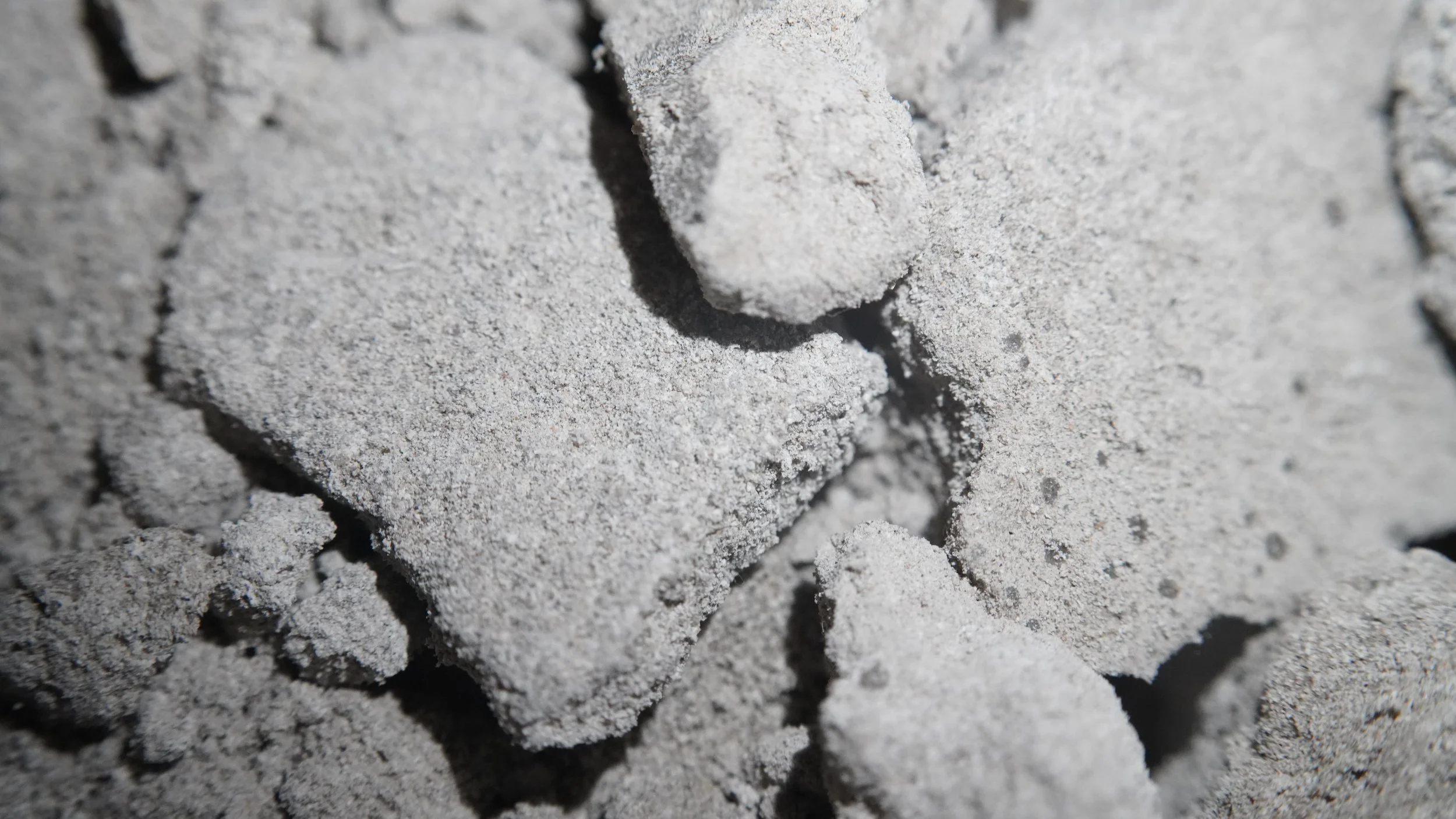
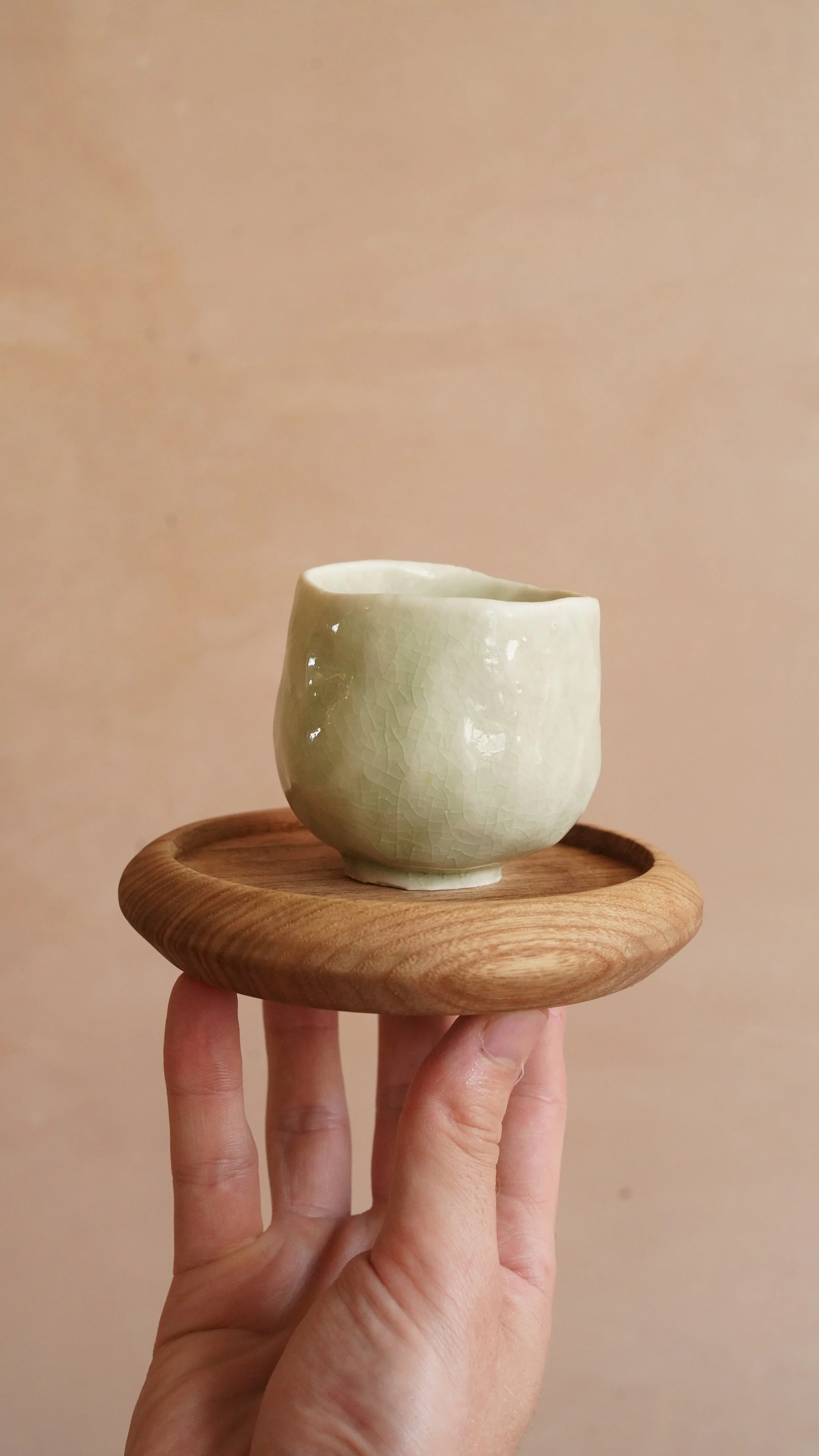
For this special coffee release, we wanted to incorporate our in-house ceramics studio in a meaningful way. Each box includes a handmade porcelain cup, created entirely by hand using the traditional pinching method—no molds, no machines. This technique ensures that every cup is one-of-a-kind, bearing the subtle impressions and individuality of the maker’s touch.
What makes these cups even more special is the glaze. Crafted using a custom recipe developed in our studio, the glaze incorporates ash derived from the coffee chaff left over during the roasting of this very coffee. In doing so, the cup becomes not just a vessel, but a full-circle expression of the coffee itself.
The use of ash in ceramic glazes has a long and storied history, tracing back thousands of years to ancient East Asia. During the Shang and Zhou dynasties in China (c. 1600–256 BCE), potters first noticed that wood ash settling on pots during firing could melt into a glassy, natural glaze. What began as an accidental effect gradually evolved into a deliberate and refined technique.
Ash glazes reached artistic heights during China’s Tang and Song dynasties, prized for their flowing textures and soft, organic colours. Japanese and Korean potters also embraced ash glazing, especially in traditional wood-fired kilns like the anagama and noborigama, where the interplay of fire, ash, and clay yields beautifully unpredictable surfaces.
Today, ash glazes continue to be admired for their natural elegance and deep cultural resonance—bridging ancient techniques with modern craftsmanship. With this handmade cup, you hold not only a piece of ceramic art, but also a part of the coffee’s journey.